Algae, Moss, and Biofilm: The Invisible Forces Destroying Your Commercial Surfaces
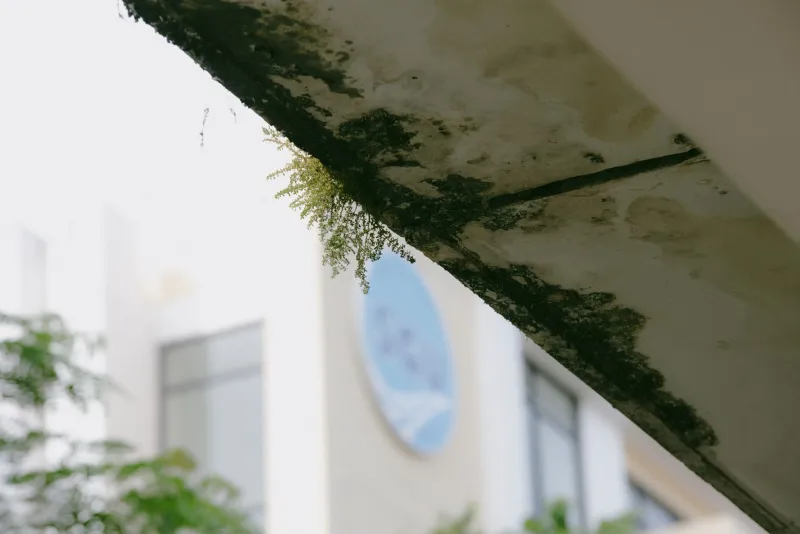
At first glance, the greenish film creeping across a concrete walkway or the dark streaking on a warehouse facade might appear to be nothing more than a cosmetic nuisance. Many facility managers defer action, reasoning that a little discoloration does not affect structural performance. That reasoning is costly—and the science of biological surface degradation confirms it.
Algae, moss, lichen, and biofilm are not passive residents on commercial surfaces. They are active biological systems that extract nutrients from the materials they colonize, retain moisture against substrates that were never designed to hold it, and chemically alter the surfaces beneath them. The damage accumulates quietly, often invisibly, until the repair bill arrives—and by then, it is rarely modest.
What Biofilm Actually Does to Building Materials
Biofilm is the earliest stage of biological colonization. It forms when microorganisms—bacteria, algae, fungi—adhere to a surface and secrete a protective matrix of polysaccharides. This matrix traps moisture, shields the colony from environmental stress, and creates ideal conditions for additional organisms to take hold.
On porous materials such as concrete, brick, and natural stone, biofilm penetrates microscopic surface irregularities and begins a process known as biogenic weathering. The organisms metabolize minerals within the substrate, producing acidic byproducts that weaken the material's internal structure. Over time, this accelerates the breakdown of binding agents in concrete and mortar, compromises the surface tension of sealants, and creates micro-fissures that allow water to infiltrate deeper layers.
Moss and lichen operate through a related but more physically aggressive mechanism. Their root-like structures—called rhizines—anchor into porous surfaces and exert mechanical pressure as the organisms grow. In freeze-thaw climates, which describes the majority of the continental United States, this is particularly destructive. Water trapped beneath moss or lichen expands when temperatures drop, widening existing cracks and accelerating spalling on concrete and masonry surfaces.
Algae, while less structurally invasive than moss, creates persistent moisture retention across large surface areas. Roofing materials, parking structures, and exterior cladding that remain damp for extended periods are far more susceptible to UV degradation, oxidation, and the secondary growth of mold and mildew.
The Timeline of Neglect: How Quickly Damage Compounds
Biological colonization follows a predictable escalation pattern. In the first season, a light biofilm develops—barely visible, easily dismissed. By the second or third season, algae and early moss establish themselves, and the surface begins to retain moisture more aggressively. Between years three and five, lichen takes hold, micro-cracking becomes measurable, and sealant integrity begins to fail. Beyond that threshold, the facility is no longer managing aesthetics—it is managing structural remediation.
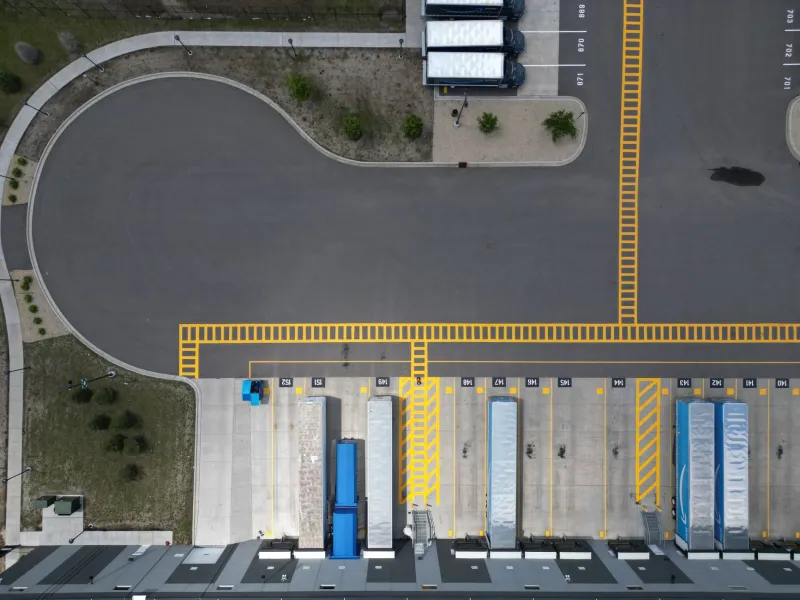
Consider a mid-sized distribution center in the Mid-Atlantic region where biological growth on the loading dock apron and exterior concrete pads went unaddressed for approximately four years. What began as surface discoloration progressed to widespread spalling, compromised joint sealants, and drainage channel deterioration. The eventual remediation—including surface grinding, joint resealing, and partial slab replacement—exceeded $47,000. A consistent annual power washing program for that facility would have cost a fraction of that figure over the same period.
This is not an isolated scenario. Commercial roofing contractors across the Southeast regularly attribute premature membrane failure to algae-driven moisture retention that was never addressed at the surface level. In the Pacific Northwest, where rainfall and humidity create near-ideal conditions for moss growth, building owners who defer exterior maintenance frequently find themselves negotiating insurance claims and contractor schedules simultaneously.
The Financial Arithmetic of Preventive Maintenance
The cost-benefit analysis of biological surface management is straightforward once the full scope of deferred damage is understood. Professional power washing applied on a regular preventive schedule—typically semi-annually or annually depending on climate, surface type, and exposure—removes biological growth before it reaches the penetration stage.
For most commercial properties, the cost of professional exterior power washing ranges from several hundred to a few thousand dollars per visit, depending on square footage and surface complexity. Compare that to the cost of concrete resurfacing ($3 to $10 per square foot), masonry repointing ($5 to $25 per linear foot), or commercial roof replacement ($10,000 to $80,000 or more for mid-sized structures). The arithmetic consistently favors prevention.
Beyond direct repair costs, there are secondary financial exposures worth accounting for. Deteriorating exterior surfaces affect property valuation, complicate lease renewals, and can trigger findings during insurance inspections or municipal code reviews. In food-service and healthcare-adjacent facilities, exterior biofilm growth has been cited in regulatory correspondence as a contributing environmental concern—a designation that carries its own remediation and documentation burden.
Why Standard Cleaning Methods Fall Short
It is worth addressing a common misconception: that a garden hose, consumer-grade pressure washer, or routine sweeping is sufficient to manage biological growth on commercial surfaces. At the surface level, these methods may temporarily reduce visible discoloration. They do not eliminate the root systems of moss and lichen, do not penetrate biofilm matrices at depth, and do not apply the appropriate chemical treatments necessary to inhibit regrowth.
Industrial-grade power washing, combined with professionally formulated biocidal treatments, addresses biological colonization at the substrate level. Properly calibrated pressure removes organic matter without damaging underlying materials—a balance that requires equipment and expertise beyond what consumer tools can provide. Post-treatment application of appropriate inhibitors significantly extends the interval before regrowth begins, compounding the value of each service.
Integrating Biological Surface Management into Your Maintenance Calendar
Facility managers who treat biological surface growth as a scheduled maintenance item—rather than a reactive repair trigger—consistently report lower long-term exterior maintenance costs and fewer emergency remediation events. The optimal timing for treatment varies by region and surface type, but general guidance favors late spring and early fall applications in most US climates. Spring treatment addresses growth that established over the winter and early wet season; fall treatment clears organic material before freeze-thaw cycles begin.
High-risk surfaces—north-facing facades, shaded concrete, areas with poor drainage, and roofing with limited sun exposure—warrant more frequent attention and should be identified during the initial assessment phase of any maintenance program.
The goal is not simply to maintain appearances. It is to preserve the structural and financial integrity of assets that represent significant capital investment. Biological growth, left unmanaged, does not stabilize—it progresses. The surfaces that look manageable today are the surfaces that generate emergency repair calls two or three years from now.
Professional intervention, applied consistently and at the right intervals, interrupts that progression. It is among the most cost-effective tools available to facility managers who are accountable for both the condition and the long-term value of commercial properties.