Ten Checkpoints Before the Cold: A Year-End Cleaning Audit for 2027 Budget Stability
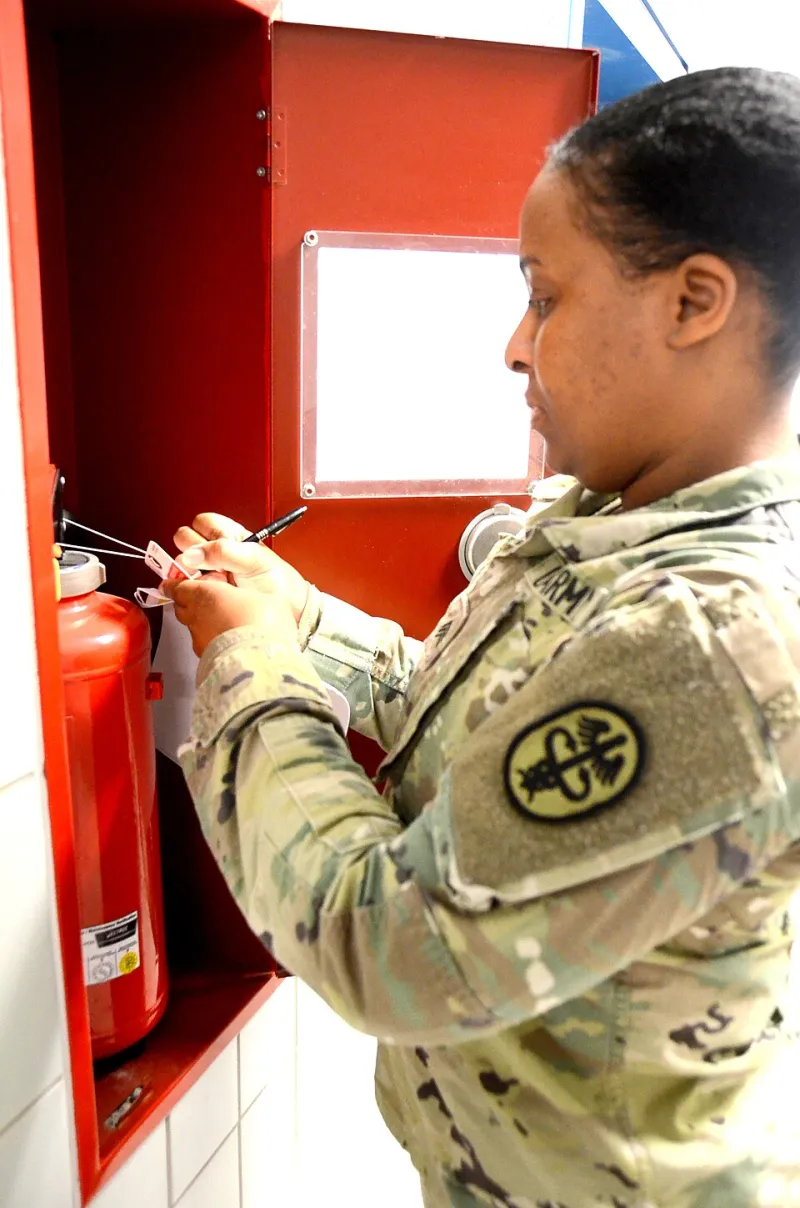
Photo: U.S. Army USAG-RP by Keith Pannell, Public domain, via Wikimedia Commons
The final two months of 2026 are a useful deadline for facility managers. Once freezing temperatures, snow, and winter precipitation arrive, exterior cleaning becomes more difficult, access to drains and gutters narrows, and small maintenance issues can become spring repair projects. A year-end cleaning audit is not merely a housekeeping exercise. It is a budget protection measure. The goal is to spend remaining 2026 funds where they will prevent avoidable costs in 2027.
A practical audit should be visual, documented, and prioritized. Facility managers should walk the property with a camera, a checklist, and a clear understanding of which findings can be addressed before winter and which require planning for the next budget cycle. The following ten checkpoints offer a starting framework.
1. Gutter Flow and Downspout Discharge
Inspect gutters, downspouts, and roof drains for leaves, sediment, and debris. Confirm that downspouts discharge away from foundations and walkways. Blocked gutters can lead to roof leaks, fascia damage, and ice dams. Cleaning gutters in November is generally easier and less expensive than addressing water intrusion in January.
2. Roof Drains, Scuppers, and Overflow Paths
Flat roofs and low-slope roofs depend on unobstructed drainage. Check drain baskets, scuppers, and overflow routes. Debris that is harmless in dry weather can create ponding when snow melts or rain freezes. Document any areas where water stands after a rain event and schedule corrective work before the freeze.
3. Loading Dock Drainage and Trench Drains
Loading docks collect grit, cardboard fibers, food debris, and winter road salt. Trench drains and dock leveler pits can clog quietly. Clean them before winter, and confirm that wash water or stormwater from the dock area drains as intended. A blocked dock drain can create slip hazards and costly water damage.
4. Dumpster Pads and Waste Enclosures
Dumpster pads accumulate grease, leachate, and debris that attract pests and create odor complaints. Power washing the pad, walls, and surrounding concrete before winter reduces the material available to freeze into place. It also makes spring cleaning faster. If the pad drains to a storm sewer, confirm that runoff is handled according to local requirements.
5. Parking Lot Stains, Curbs, and Storm Inlets
Oil stains, tire marks, and organic debris are easier to remove before winter traffic packs them down. Inspect storm inlets and curb lines for accumulated sediment. A parking lot that drains poorly in December may become an ice hazard in January. Cleaning and minor grading corrections now can reduce slip-and-fall exposure and protect pavement.
6. HVAC Intake Grime and Condenser Coils
Exterior HVAC units and intake louvers collect pollen, dust, lint, and construction debris. Dirty coils reduce heat transfer and increase energy use. Dirty intakes can draw contaminants into the building. A pre-winter cleaning of accessible exterior components can improve efficiency and reduce strain during heating season. Coil cleaning should be performed by trained personnel using methods appropriate to the equipment.
7. Exterior Walls, Entryways, and Signage
Walk the building perimeter and note visible staining, spider webs, bird droppings, and splash-back from irrigation or pavement. Entry areas and signage are the first surfaces customers and inspectors see. Cleaning exterior walls and entryways before winter also removes acidic or organic material that can degrade finishes over time.
8. Sidewalks, Stairs, and Handrails
Inspect walking surfaces for algae, moss, gum, and accumulated grit. These conditions become more dangerous when wet or icy. Power washing can restore traction on concrete and masonry, provided the surface and surrounding areas are protected. Confirm that wash water is contained and directed appropriately.
9. Window Wells, Basement Stairs, and Low Areas
Window wells and exterior stairs collect leaves and debris. If they fill with water and freeze, they can damage frames, block egress, or create fall hazards. Clean them before the first hard freeze and verify that drains or sump pumps are functioning.
10. Interior Transition Zones and Maintenance Records
Entry mats, vestibules, loading corridors, and break areas collect winter salt and moisture. Inspect these zones for damaged flooring, saturated mats, and residue buildup. Review cleaning records at the same time. A year-end audit is a good moment to verify that contractor scopes, service dates, and issue logs are complete and ready for 2027 budgeting.
Turning Findings Into a 2027 Budget
Not every item can be solved in 2026. The audit should separate urgent work from work that can be scheduled. Urgent items include blocked drainage, safety hazards, and conditions that will worsen with freezing temperatures. Deferrable items should be priced and entered into the 2027 budget with a realistic timeline.
Facility managers should also consider the cost of waiting. A gutter cleaning completed in November may cost a fraction of emergency roof repairs after an ice dam. Parking lot stain removal before winter may be less expensive than pavement replacement later. The purpose of the year-end audit is not to spend every remaining dollar. It is to direct available funds toward the findings that carry the highest risk and the clearest future cost.
With 2027 planning already underway, the November window is short. A documented walkthrough now gives facility managers a defensible record, a prioritized work list, and a better chance of starting the new year with controlled maintenance costs rather than emergency invoices.