Mineral Deposits and Diminishing Returns: The Real Price of Ignoring Hard Water Buildup on Commercial Properties
What Looks Like a Stain Is Actually a Financial Liability
At first glance, the chalky white streaks running down a building's facade or the cloudy film coating ground-floor windows might seem like minor housekeeping issues—the kind of thing that gets noted in a facilities report and quietly deferred until next quarter. However, property owners and managers who treat hard water stains and mineral deposits as low-priority concerns are often surprised to discover just how significantly these accumulations affect their bottom line.
Hard water, which is prevalent across much of the United States—particularly in the Southwest, Midwest, and coastal regions subject to salt spray—carries dissolved calcium, magnesium, and other minerals. When this water evaporates on contact with glass, masonry, or metal surfaces, it leaves behind concentrated mineral residue. Over time, those residues bond chemically with the substrate beneath them, transitioning from a surface coating into a structural problem that becomes progressively more expensive to address.
The Compounding Nature of Mineral Accumulation
One of the most underappreciated aspects of hard water damage is how it compounds. A single season of neglect rarely produces catastrophic results. But two, three, or four seasons of accumulated mineral deposits create a situation where standard cleaning methods are no longer sufficient. At that stage, property managers often find themselves facing either aggressive chemical treatments, abrasive mechanical removal, or in severe cases, surface restoration—all of which carry costs that dwarf what routine maintenance would have required.
Salt spray damage, common in coastal markets like Miami, Los Angeles, and the New York metropolitan area, presents an additional layer of complexity. Salt is hygroscopic, meaning it actively draws moisture into building materials. When salt deposits are left to accumulate on masonry or concrete, they accelerate the deterioration of those materials from within—a process known as efflorescence. What begins as a white powdery residue on the surface is often a visible indicator of subsurface moisture migration, which, left unaddressed, can compromise structural integrity and trigger costly remediation projects.
How Appraisers and Tenants See What You've Stopped Noticing
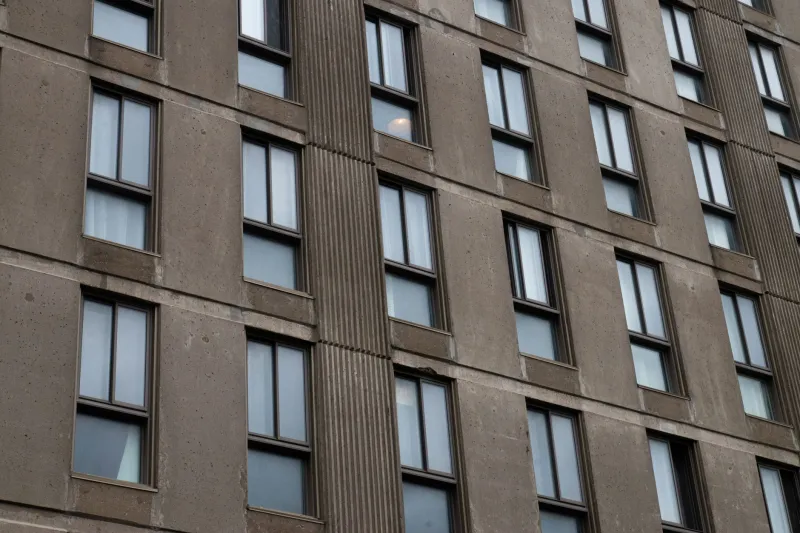
Facility managers who work within a property daily can become acclimated to its gradual decline. Appraisers and prospective tenants do not share that familiarity. Commercial property assessments are influenced by both condition and perceived condition, and a building exterior marred by mineral streaking, stained window frames, or salt-crusted facades communicates neglect—regardless of how well-maintained the interior may be.
In competitive commercial real estate markets, curb appeal is not merely aesthetic; it is a direct input into lease negotiations. Tenants evaluating multiple properties will factor exterior presentation into their assessment of a landlord's management standards. A poorly maintained exterior raises reasonable questions: If the outside looks like this, what deferred maintenance is happening inside? That perception gap can translate into lower lease rates, longer vacancy periods, or tenant attrition at renewal time.
According to commercial real estate professionals, properties that demonstrate consistent exterior maintenance command stronger lease terms and retain tenants at higher rates. The inverse is equally true: visible deterioration invites negotiation leverage that ultimately reduces rental income.
The Window Problem: A Specific and Measurable Loss
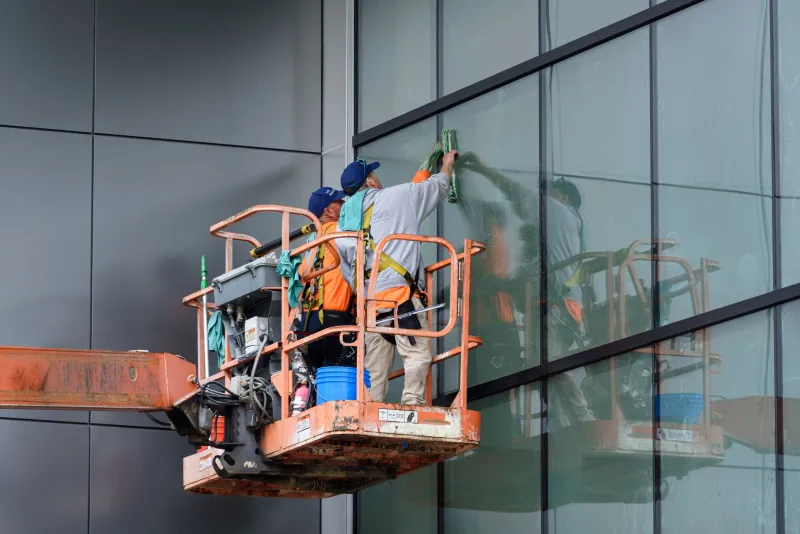
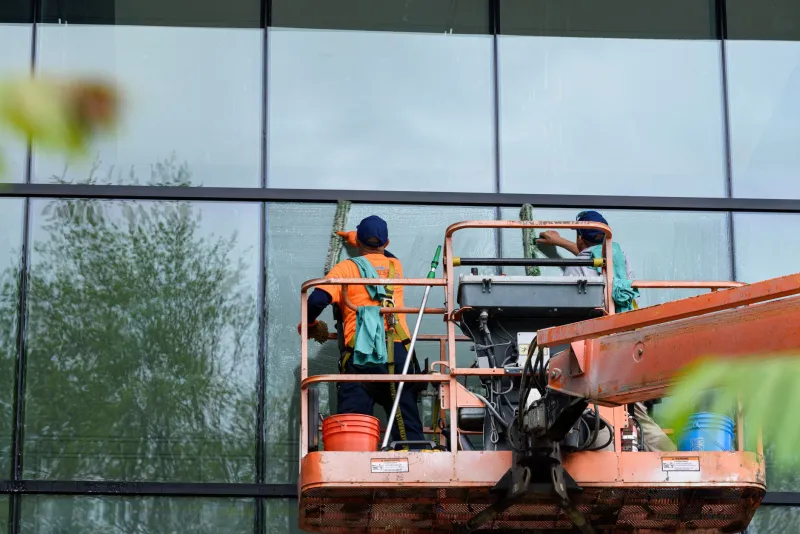
Windows deserve particular attention in any discussion of hard water damage. Glass is among the most vulnerable surfaces to mineral etching. When calcium and silica deposits are allowed to cure on glass over multiple seasons, they create micro-abrasions that permanently alter the surface. Unlike a simple cleaning challenge, etched glass scatters light unevenly, creates a perpetually foggy appearance even when cleaned, and in commercial settings, can necessitate full window replacement—a significant capital expenditure.
For office buildings where natural light is a marketed amenity, or for retail storefronts where window clarity directly affects merchandise visibility, this is not an abstract concern. It is a measurable reduction in the functional value of the space.
Preventative Power Washing as an Equity Protection Strategy
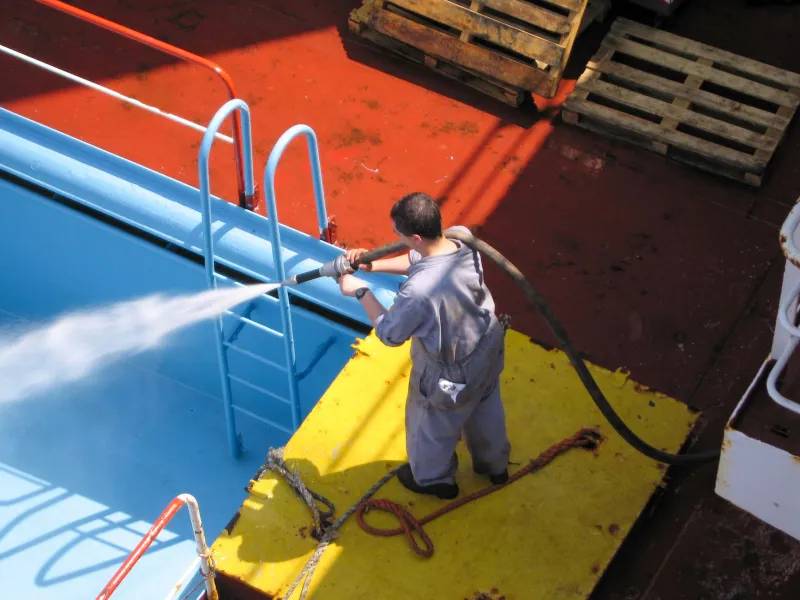
The financial argument for scheduled professional power washing is straightforward when viewed through the lens of asset protection rather than routine maintenance. Regular high-pressure cleaning removes mineral deposits before they have the opportunity to bond permanently with building surfaces. It interrupts the compounding cycle that transforms a cosmetic issue into a structural one. And it maintains the exterior presentation that supports property valuations and tenant confidence.
For commercial properties in hard water regions, a semi-annual exterior washing schedule is generally the minimum recommended frequency. Properties in coastal environments, or those exposed to heavy vehicle traffic that generates road salt residue, may require quarterly attention. The specific protocol—water temperature, pressure settings, and any mineral-dissolving agents applied—should be calibrated to the building's surface materials to ensure effective removal without causing surface damage.
At Evershine Power Laundry, we approach every exterior cleaning engagement as a maintenance investment, not simply a cleaning task. Our industrial-grade equipment and trained technicians understand the difference between lifting surface grime and addressing the kind of mineral accumulation that threatens long-term property value. We work with facility managers to establish cleaning schedules that align with their property's specific exposure risks and budget cycles.
Protecting Equity Requires Seeing the Full Picture
The cost of hard water neglect is rarely a single dramatic event. It is a slow erosion—of surface integrity, of tenant perception, of appraised value, and ultimately of property equity. The stains on your building's exterior are not just unsightly. They are a ledger of deferred maintenance, and each season they are left unaddressed, the balance owed grows.
Investing in professional exterior cleaning is not an expense to be minimized. It is a discipline that protects the long-term financial performance of one of your most significant assets. The question is not whether your property can afford that maintenance—it is whether it can afford to go without it.